







Search Results for: Starbucks non-bitter coffee
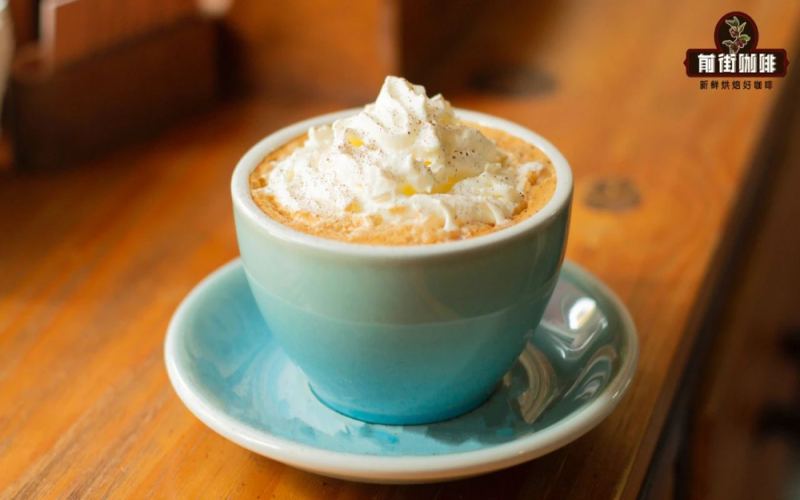
How to Choose Non-Bitter Drinks at Starbucks? Plus Front Street Coffee's Non-Bitter Coffee Beans and Pour-Over Brewing Guide
For many people, the one thing they fear most about drinking coffee is bitterness. Walking into Starbucks and facing a dense, packed menu, choice paralysis strikes immediately: which drinks aren't bitter? And how should sweetness be ranked? The logic isn't actually complicated—the more syrup is added, the sweeter it gets, and the higher the proportion of milk, the more the coffee's own bitterness is diluted. But if you want to truly understand coffee, adding sugar and milk isn't enough. The roast level, variety, and processing method of the coffee beans are the key factors determining how strong the bitterness is. This article starts with the patterns for choosing Starbucks drinks, then uses three beans from the Front Street Coffee bean list—Kenya Little Tomato, PWN Golden Mandheling, and Hacienda La Esmeralda Green Label Geisha—to explain clearly where acidity and bitterness come from, along with specific brewing parameters to help you brew a good cup of coffee that isn't bitter or astringent at home. [more…]
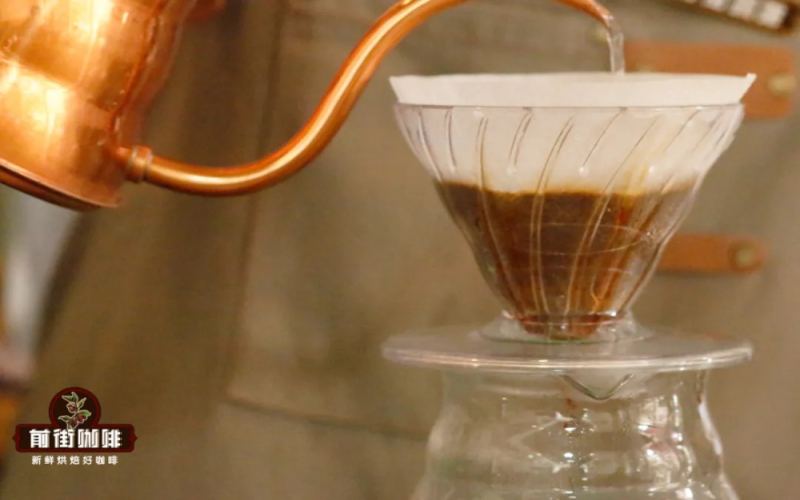
How to Choose Non-Bitter Coffee Beans for Pour-Over and Espresso? Light vs. Medium Roast Flavor Differences and Front Street Coffee Bean Recommendations
To enjoy a smooth cup of coffee without bitterness, the key lies in understanding the relationship between extraction principles and roast level. Soluble compounds in coffee dissolve into hot water, with fruity acidity emerging first, sweetness following, and bitterness last. Light-roasted beans retain more chlorogenic acid and small-molecule compounds, with a low degree of caramelization and minimal bitterness generation, making them ideal for highlighting floral notes and citrus or berry qualities. For pour-over beginners, light to medium roasts are the best starting point—for example, Front Street Coffee's washed Gudingding and Front Street Coffee's natural Huakui. The former has bright acidity and a delicate finish, while the latter offers full fruity aroma and a rich mouthfeel. If you use an espresso machine at home, pressurized extraction tends to amplify flaws, so you should choose medium-roast espresso beans, such as Front Street Coffee's Strawberry Candy Espresso, which has dense crema and a sweet-and-sour profile like strawberry gummy candy. [more…]

Coffee Flavors Beyond Bitterness: Explaining Caffeine's Energizing Principle and Recommending Non-Bitter Coffee Varieties for Beginners
Many people's first impression of coffee is bitterness, and some even believe that the more bitter the coffee, the better its quality. Is that really true? This article begins with the historical origins of the world's three major beverages, then sorts through coffee's botanical classification and its stimulating mechanism, focusing on answering two common questions: whether all coffee is bitter, and whether black coffee is better the more bitter it is. It also recommends several coffee beans that are not bitter and have highly distinctive flavors for coffee beginners, including popular products such as Front Street Yirgacheffe, Front Street Blackberry, and Front Street Mozart, to help you find the cup that suits your taste buds. [more…]

American Coffee Brewing Guide: From Bean Selection to Brewing, How to Make a Non-Bitter Americano
Americano is made by diluting espresso with water, and its flavor profile depends on the type of coffee beans used and the degree of roast. When making it at home, blends and SOEs each have their own merits: blends pursue balance and complementarity, while SOEs highlight the character of a single origin. Centering on the need for "an Americano that doesn't taste bitter," this article sorts out bean-selection approaches for three flavor directions—leaning acidic, leaning rich and full-bodied, and neither sour nor bitter—and gives specific extraction parameter recommendations. The article also introduces products such as Front Street Coffee Huakui SOE, Yirgacheffe Natural Red Cherry SOE, commercial espresso blend beans, and Strawberry Candy espresso blend, and finally includes steps for tasting coffee to help enthusiasts recreate a café-level Americano experience at home. [more…]
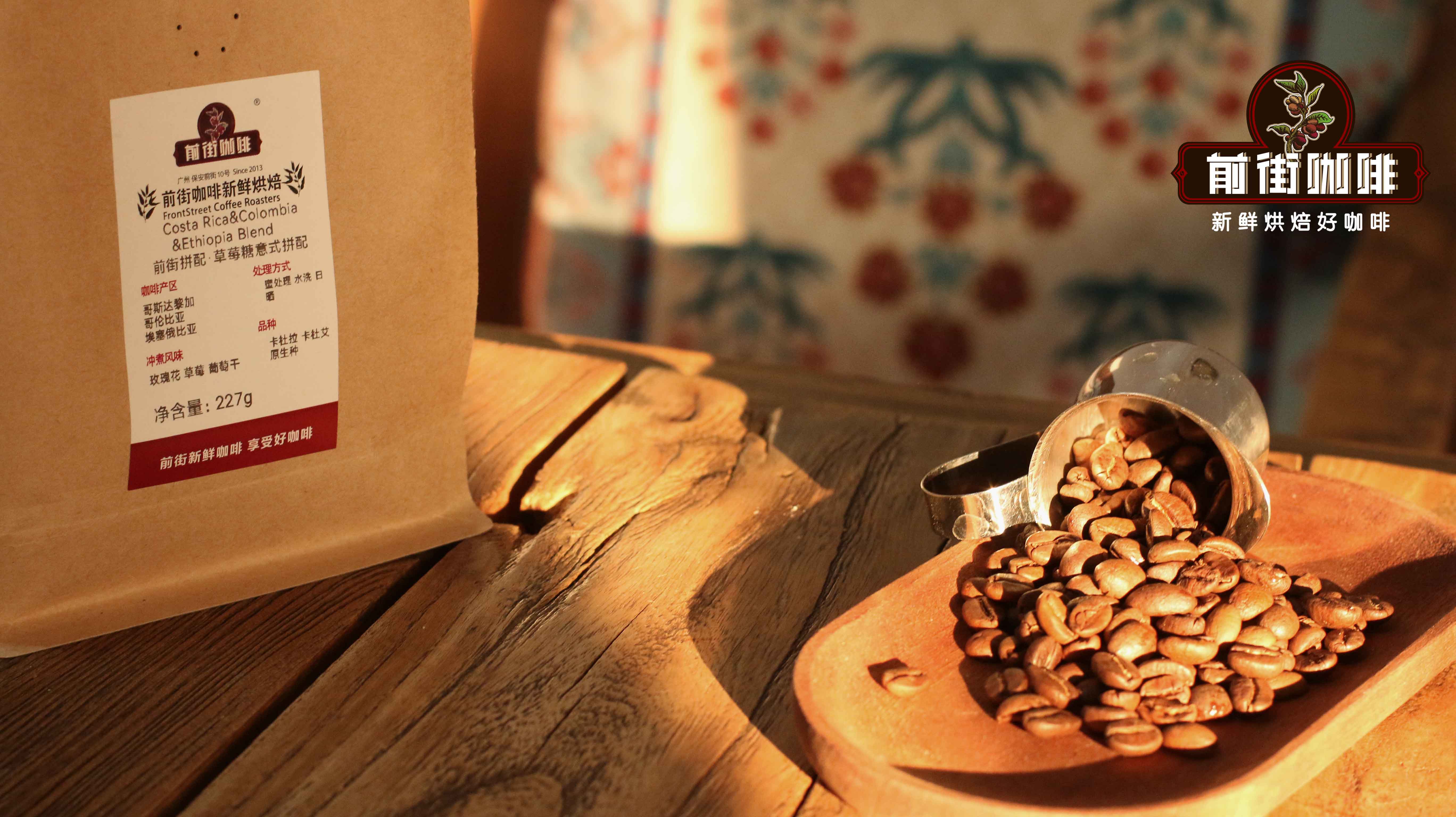
A Selection of Everyday Espresso Beans | What's the Difference Between Pour-Over and Espresso? Which Budget-Friendly Espresso Blends Are Recommended for Consistent, Tasty, Non-Bitter Shots?
We rarely drink espresso on its own, but the Americanos and various milk coffees we enjoy all come back to espresso. Baristas also know well that the quality of espresso, good or bad, directly affects the espresso-based drinks we consume, and determines whether a cup of espresso [more…]
A Guide to Buying Ceylon Black Tea: How to Identify Authentic Ceylon Tea and Make Non-Bitter Iced Tea
Ceylon black tea is renowned worldwide for its unique flavor and quality, but the market is full of mixed offerings, and how to identify authentic Ceylon tea has become a concern for many tea lovers. This article will guide you through the recommended ways to brew iced tea with different types of Ceylon tea, teach you how to identify authentic Ceylon tea through the Lion Logo and trademark slogan, and share practical tips on how to brew Ceylon black tea without bitterness. At the same time, we will also recommend trustworthy purchasing channels, including Sri Lankan origin-direct teas selected by Front Street Coffee, allowing you to easily enjoy fresh and authentic Ceylon black tea. [more…]

American Coffee Taste | How to Drink American Black Coffee to Lose Weight? Recommendations for Low-Acidity, Non-Bitter American Coffee Beans Suitable for Moka Pots
What does Americano taste like? A friend once described it to Front Street Coffee this way: "Whatever you want it to be." Americano is a product made by diluting espresso with water; in other words, it's a drink that can be adjusted to your own [more…]
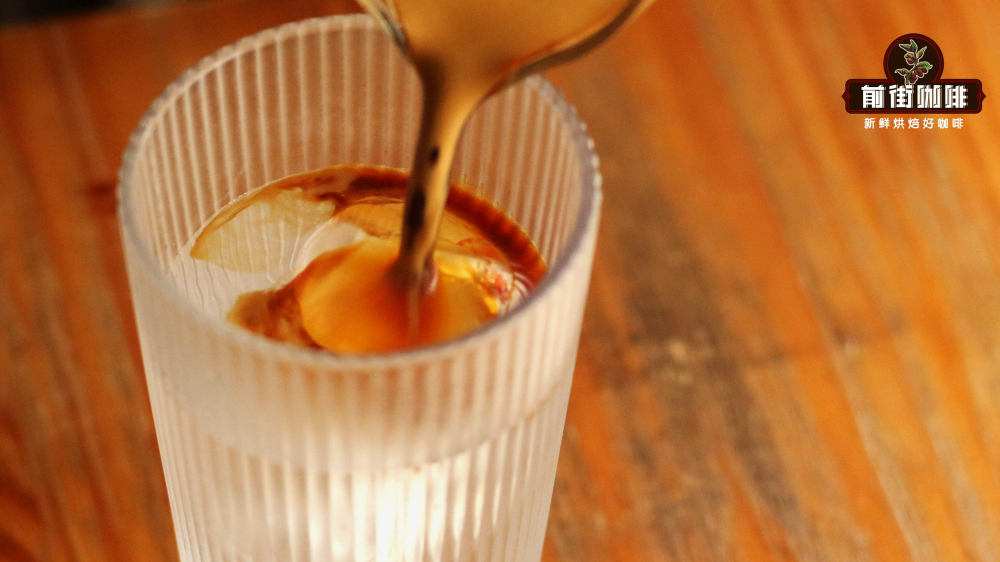
Making Americano with a Moka Pot | When Is the Best Time to Drink Iced Americano? How to Choose Low-Acid, Non-Bitter Moka Pot Americano Coffee Beans? Can Americano Black Coffee Help with Weight Loss?
For more specialty coffee knowledge, please follow: Front Street Coffee (Frontsteet Coffee) What does Americano coffee taste like? A friend once described it to Front Street Coffee (FrontStreet Coffee) like this: "Free and easy." Americano [more…]
Characteristics of Premium Mandheling | Why is Golden Mandheling cleaner and free of off-flavors compared to Lintong Mandheling? Recommendations for high-value, great-tasting, non-bitter Indonesian Mandheling pour-over coffee beans
Indonesia has been on the coffee-planting path since the Dutch started it in the 17th century, and to this day Indonesia's coffee enjoys a pivotal position internationally. But if you were to ask which Indonesian specialty coffee is the most famous, many people would probably think of Sumatra Mandheling. So what exactly is Mandheling? Does it taste good? How do you choose a high-value [more…]
Analyzing the Sources of Coffee Sweetness: Orthonasal and Retronasal Olfactory Mechanisms and Recommendations for Low-Acid, Non-Bitter Pour-Over Beans
Have you ever been puzzled when you ordered a "high-sweetness" black coffee, only to taste nothing but sourness and bitterness? Where exactly does the sweetness in coffee come from? Starting from the sugars in green coffee beans, this article analyzes the transformation of sugars during roasting and reveals that sweetness does not come directly from sugars, but instead relies on the sense of smell—especially the combined effect of orthonasal and retronasal olfaction. We will also share how to train your ability to perceive sweetness, and recommend Front Street Strawberry Candy, Front Street Blackberry, Front Street Sidra, Front Street Florals, and Front Street Queen's Estate—coffee beans with prominent sweet aromas—to help you easily capture that alluring touch of sweetness in your cup. [more…]
American Coffee Brewing Ratio | How to Make a Delicious, Non-Bitter Americano Black Coffee? What Are the Differences Between SOE Coffee and Traditional Espresso?
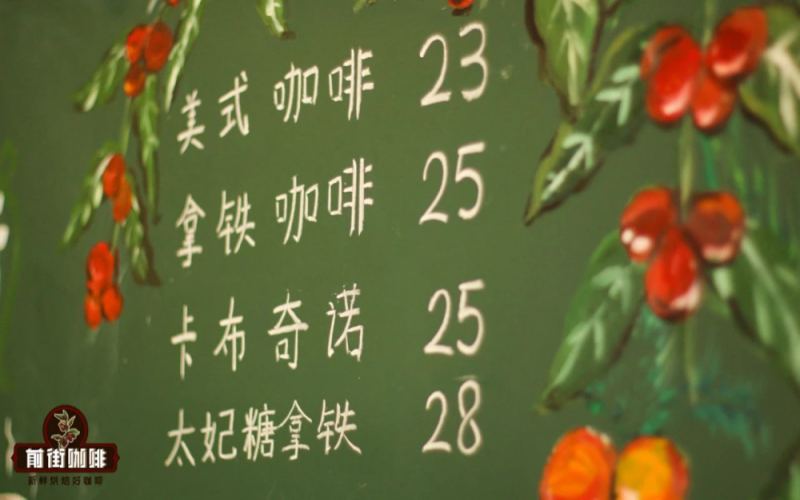
When customers who don't usually drink coffee walk into Front Street's offline stores, they often ask Front Street's baristas a question: "What kind of coffee is espresso? What is its relationship with Americano, and what's the difference between them?" This is a good question. At Front Street, there are only two small blackboards serving as menus, one for pour-over coffee and the other [more…]

Moka Pot Usage and Tips | Is Your Moka Pot Coffee Always Bitter and Burnt? Recommended Affordable, Great-Tasting, Non-Bitter Coffee Beans Worth Buying for Moka Pot Enthusiasts
As a recognized high-value home coffee gadget, the moka pot is actually far less complicated to use than you might imagine. There's no need to be bound by too many precise data and parameters; as long as you grasp the following key points, the rest can be freely adjusted to your taste preferences, letting you easily brew a delicious cup of coffee. No. [more…]
Iced Americano Variations | What Is the Ratio of Iced Americano to Water? Which Espresso Blend Coffee Beans Make a Non-Bitter Iced Americano?
Friends who drink coffee regularly may already know that espresso has a very thick mouthfeel and a strong taste, and if it cools down it becomes even harder to accept. But if you add ice cubes, the temperature of the espresso can drop rapidly, or by mixing in ice water, a refreshing taste instantly stands out, the bitterness becomes less heavy, and enjoying it in summer is even more thirst-quenching and refreshing. [more…]
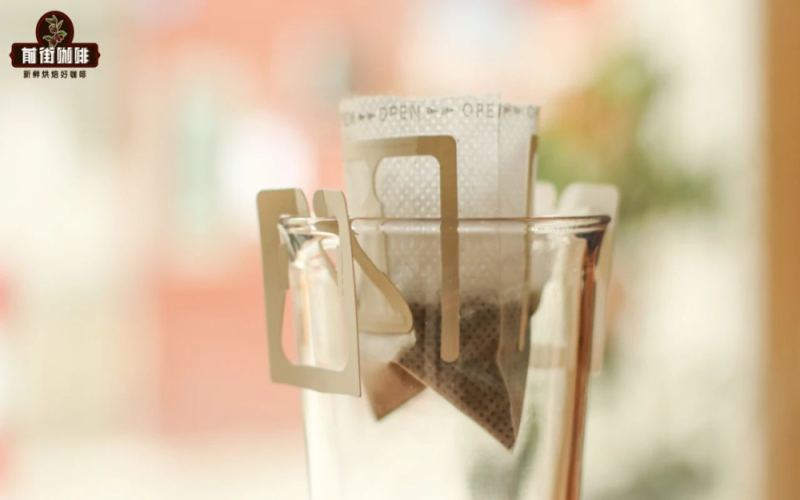
Drip Coffee Bag Brewing Tips: How to Brew Low-Acid, Rich, Non-Bitter Freshly Ground Black Coffee and Front Street Product Recommendations
Drip coffee bags offer a convenient option for enthusiasts who seek specialty flavor but prefer not to brew manually. Some question whether they are professional enough, but as long as the beans are of high quality, the packaging blocks oxygen, and the coffee is consumed within its prime drinking period, the gap between drip bags and freshly ground pour-over is actually quite small. Front Street drip bags insist on fresh roasting and fresh grinding, and the grinder is thoroughly cleaned before each production run to avoid flavor crossover. The grind size has been repeatedly tested and set to medium-fine, reducing the over-extraction and muddiness caused by fine powder clogging. This article will also share the standard drip bag brewing steps, explaining everything from coffee-to-water ratio, water temperature, to pouring technique, and recommend four Front Street drip bags—Yirgacheffe, Sun-Dried Huakui, PWN Golden Mandheling, and Brazil Queen Estate—according to four flavor directions: floral and fruity, tropical fruit, low-acid and full-bodied, and balanced nuance, helping readers choose according to their preferences. [more…]
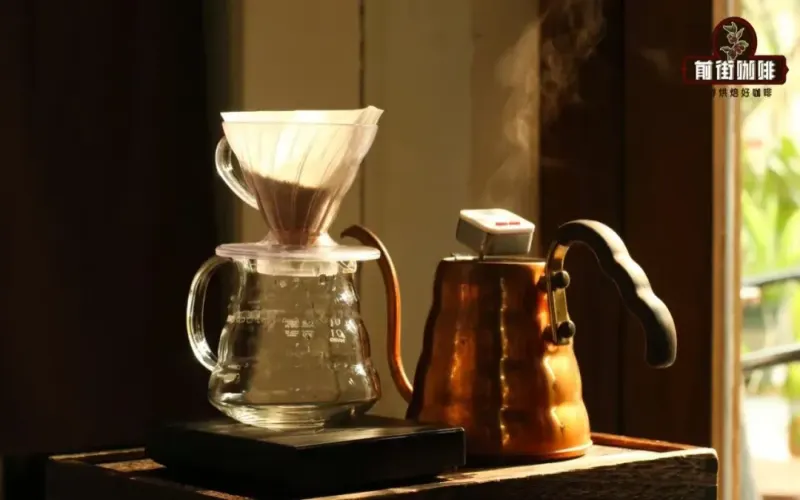
Where Does Coffee Sweetness Come From? How to Brew Sweetness Out of Black Coffee and Recommendations for High-Sweetness, Non-Bitter Beans
Many people are puzzled when they first encounter coffee: why can unsweetened black coffee be described as "sweet"? In fact, the sweetness of coffee is not sugar directly captured by the taste buds, but a comprehensive sensory experience that combines taste contrast with olfactory associations. From the perspective of Front Street, this article first explains the sources of coffee sweetness—the transformation of green bean sugars during roasting, the sweet aftertaste brought by sour and bitter stimulation, and the sweet associations triggered by aroma; then it offers practical advice, including how to choose high-sweetness coffee beans, how to highlight sweetness during brewing, and techniques such as extending the time coffee stays in the mouth during tasting, holding the breath, and capturing retronasal olfactory notes. The article also recommends beans such as Front Street Strawberry Candy, Front Street Xizhua, and Front Street Mozart to help you more easily taste the sweetness in coffee. [more…]
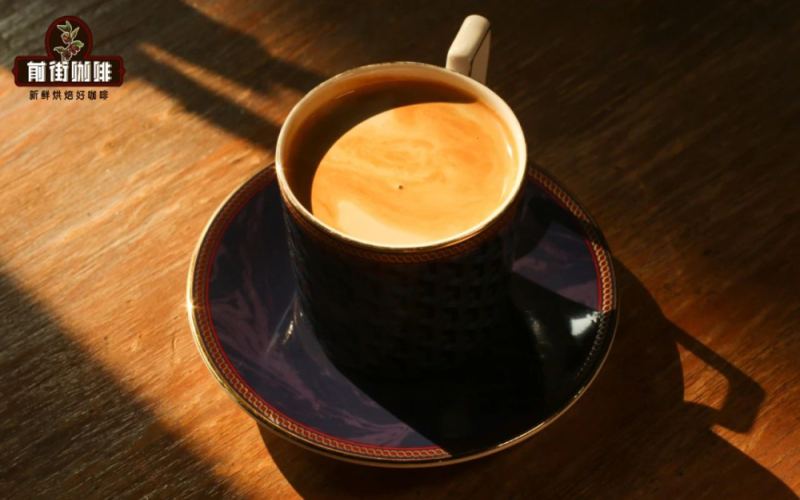
American Coffee Bean Buying Guide | Why Is American Black Coffee Bitter? Which Low-Acid, Non-Bitter Espresso Blend Beans Are Recommended for Home Coffee Machines?
Espresso refers to the concentrated liquid extracted using an espresso machine. In most cases, the espresso concentrate is not used for direct serving. Of course, sometimes some customers, for the sake of alertness and a strong taste, will order espresso; this situation is not common. Espresso concentrate is brewed at a 1:2 ratio, and its [more…]
A Detailed Guide to Jamaica Blue Mountain Coffee's Legally Defined Growing Region and Grading Standards, and How Grades Are Classified Outside Blue Mountain
Jamaican Blue Mountain coffee has long been celebrated for its balanced and mild flavor, elegant and captivating aroma, and non-bitter taste, and is regarded as one of the most expensive and sought-after coffee beans in the world. However, exactly what kind of beans qualify to bear the name "Blue Mountain"? And how should Jamaican coffee produced outside the legally designated Blue Mountain growing region be graded? This article will provide a detailed overview of the legal production area of Jamaican Blue Mountain coffee, the specific grading requirements for Blue Mountain beans and Jamaican High Mountain beans in terms of bean size, appearance, and defect rate, while also explaining easily confused concepts such as Blue Mountain Blend and Blue Mountain Flavor, and introducing product information related to Front Street Coffee's Jamaican Blue Mountain Mavis Bank washed processing facility. [more…]
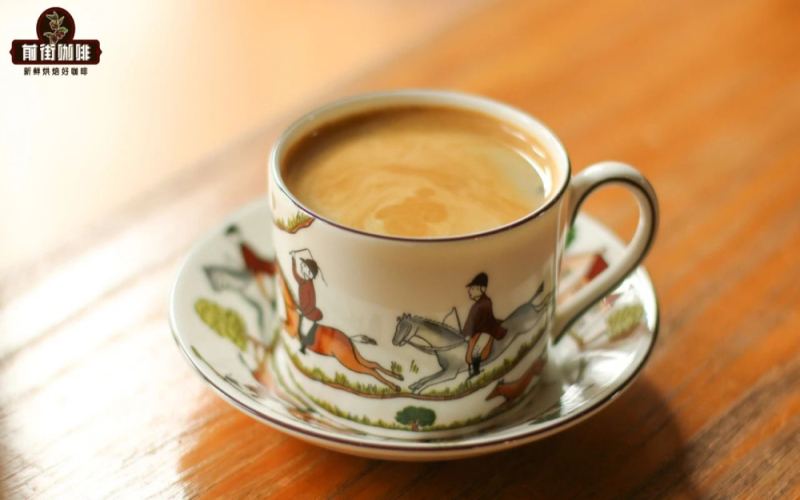
What exactly is Lungo coffee? A comprehensive interpretation from the espresso system to modern extraction
Lungo is often mentioned alongside Long Black, leading many coffee enthusiasts to confuse the two. In fact, Lungo belongs to the espresso family and, like Ristretto, is a type of coffee made directly with an espresso machine without any additional ingredients. Its characteristic is that it obtains more coffee liquid by extending the extraction time, but the concentration decreases accordingly. This article will sort out the historical origins of Lungo, its differences from Long Black and Americano, and how to make a non-bitter Lungo that suits modern tastes by adjusting parameters. It will also introduce the performance of Front Street Coffee's classic espresso blend when making Lungo. [more…]
How to brew Americano for a smoother taste? Master water quality, crema, and icing techniques, and compare the differences with espresso
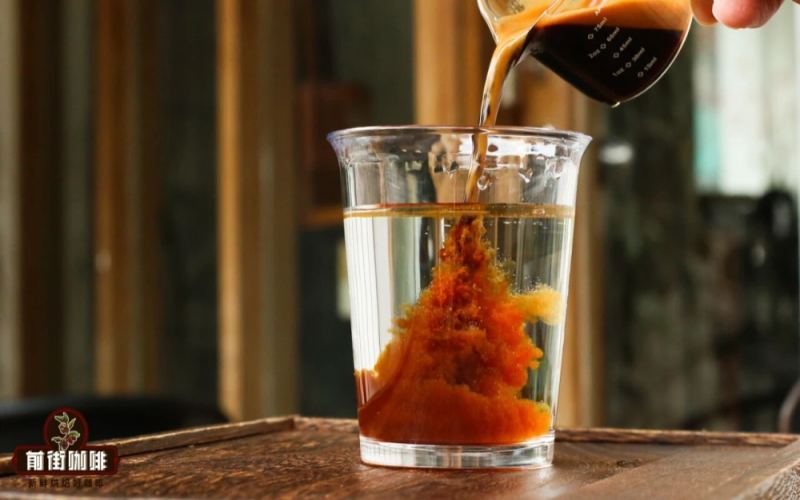
American coffee may seem simple, but many details determine the final taste. Based on Front Street's practical experience, this article first explains that a delicious Americano requires a suitable espresso base and proper concentration, then shares three "tricks" to enhance the texture: First, pay attention to the hardness of the dilution water, because water accounts for over 97% of black coffee, and soft water can bring out a more noticeable sweetness; Second, choose whether to keep or remove the crema on the surface of the espresso according to personal preference—removing it improves cleanliness and sweetness, while keeping it provides better body and aftertaste; Third, use ice cubes to directly catch the espresso and then shake to dilute, drawing on the concept of rapid freezing to preserve aroma and lower the temperature. In addition, the article also compares the differences between Italian coffee and American coffee, and recommends several Front Street espresso beans suitable for making non-bitter Americanos, including Strawberry Candy Blend, Commercial Blend, Huakui SOE, and Yirgacheffe Natural Red Cherry SOE. [more…]
Fruity and floral single-origin beans recommendation | Is Gedeb a coffee region or a coffee variety? How should coffee beginners choose their first bag of Yirgacheffe coffee beans?
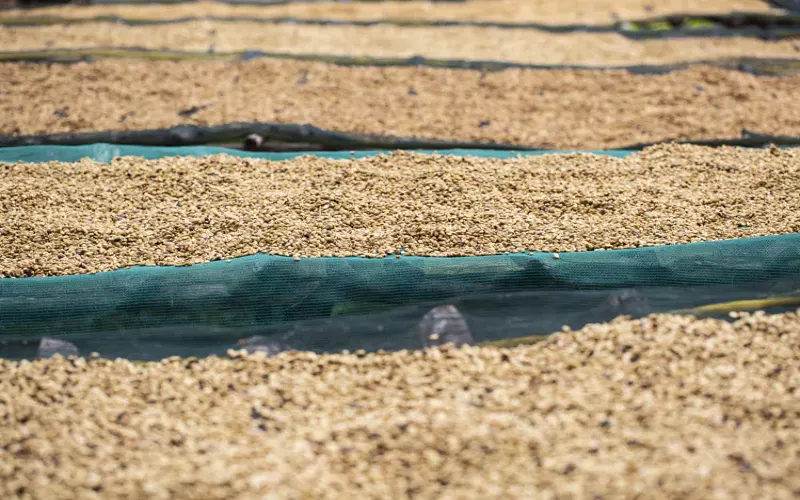
The flavor profile of Yirgacheffe is characterized by bright acidity, a non-bitter taste, and a subtle floral aroma. Its flavor is fresh and elegant, and the price is affordable, making it almost an entry-level choice for every coffee enthusiast. If you haven't tried Yirgacheffe yet, we would recommend purchasing a washed Yirgacheffe selection curated by our baristas. [more…]